Thorncrown Chapel: E. Fay Jones’ Glass-Walled Forest Sanctuary in the Arkansas Ozarks

The Thorncrown Chapel
Deep in the Arkansas forest stands one of America’s most remarkable religious buildings a place where towering glass walls dissolve the boundaries between sacred space and ancient woodland. Thorncrown Chapel, the glass-walled forest chapel designed by E. Fay Jones, represents a masterpiece of organic architecture that has captivated over 4 million visitors since its completion in 1980.
Located just 20 minutes from Woodland Retreat in the historic town of Eureka Springs, this extraordinary structure demonstrates how modern architecture can enhance rather than diminish the natural world. Jones, a former apprentice of Frank Lloyd Wright, created something entirely unique, a transparent sanctuary that invites the forest inside while providing a profound space for contemplation and worship.
The American Institute of Architects recognized Thorncrown Chapel as the fourth-best building of the 20th century, cementing its place among the world’s most significant architectural achievements. This recognition reflects not just the building’s innovative design, but its ability to create a transformative experience for every visitor who steps inside its glass-walled embrace.
Architectural Marvel of Glass and Steel
Thorncrown Chapel stands as a testament to the power of thoughtful design to create harmony between human aspiration and natural beauty. The glass-walled forest chapel designed by E. Fay Jones embodies the principles of organic architecture, growing from its site like a natural extension of the surrounding Ozark forest.
E. Fay Jones’ Design Philosophy
E. Fay Jones brought a unique perspective to religious architecture, shaped by his years studying under Frank Lloyd Wright from 1953 to 1959. While Wright emphasized horizontal integration with the landscape, Jones chose a different path for Thorncrown Chapel, reaching skyward through the forest canopy to create a vertical dialogue with the towering trees.
The architect’s organic approach meant every element had to work in harmony with the existing forest ecosystem. All building materials were required to be small enough for two men to carry through the woods, ensuring that construction wouldn’t damage the delicate undergrowth or require the removal of mature trees. This constraint led to innovative solutions that define the chapel’s character.
Jones crafted a 48-foot tall structure that seats 420 people while maintaining an intimate connection with nature. The building measures 60 feet long and 24 feet wide, proportions that echo the Gothic cathedrals of Europe while remaining distinctly American in their materials and execution. Southern yellow pine forms the primary structural framework, with locally sourced stone providing a solid foundation that seems to emerge naturally from the forest floor.
Staying at Woodland Retreat provides the perfect opportunity to fully appreciate Jones’ architectural genius, allowing visitors to return after their chapel experience to reflect on how the building transformed their perception of sacred space and natural beauty.
Structural Innovation and Materials
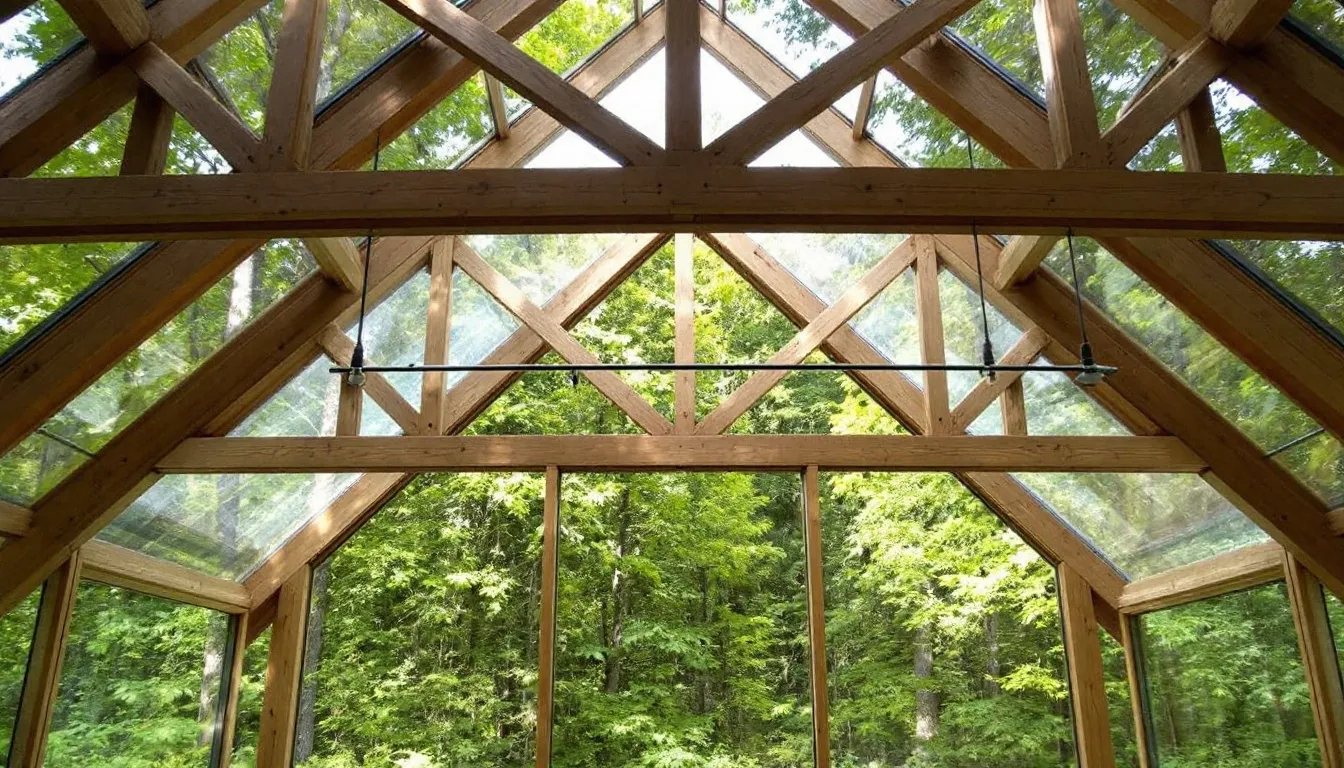
The technical achievement of Thorncrown Chapel lies in its seamless integration of modern engineering with traditional craftsmanship. The structure features 425 individual windows that create more than 6,000 square feet of glass surface, transforming the interior into a luminous space that changes throughout the day as light filters through the surrounding trees.
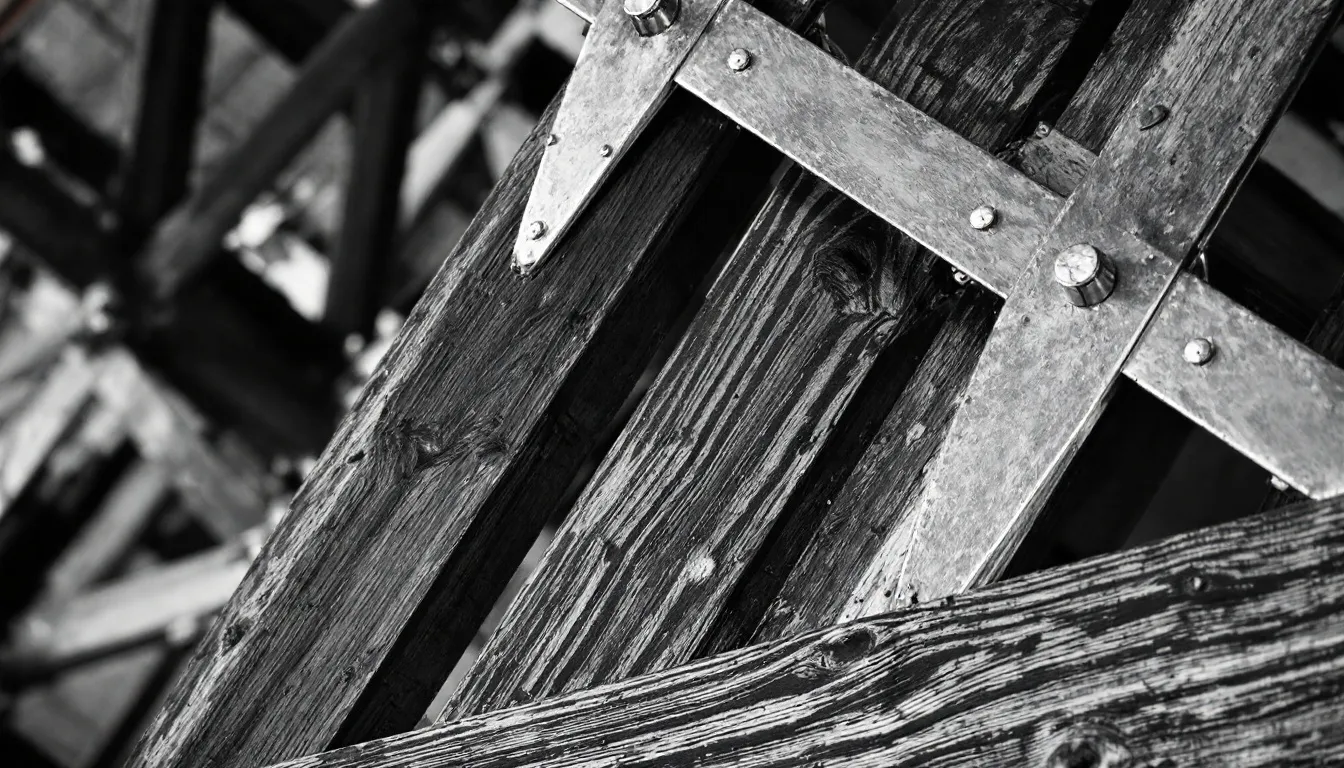
Jones concealed steel framework within the wooden trusses, creating the illusion of a purely timber structure while ensuring the building could withstand Arkansas weather conditions including wind and snow loads. Diamond-shaped steel connectors appear as decorative elements, their geometric forms echoing the natural patterns found in pine needles and leaf structures.
The central skylight runs the full length of the chapel’s ridge, maximizing natural illumination while creating a sense of upward movement that draws the eye toward the forest canopy above. Custom-crafted lanterns mounted on each column provide evening illumination, their light reflecting off the glass surfaces to create an enchanting atmosphere after dark.
Weather considerations play a crucial role in the visitor experience. Spring brings the fresh green of new growth, summer offers deep forest shade and cooling breezes, fall transforms the chapel into a jewel box filled with golden light, and winter reveals the building’s skeletal beauty against snow-covered branches. Each season offers a completely different perspective on Jones’ architectural vision.
Spiritual and Contemplative Experience
Beyond its architectural significance, Thorncrown Chapel serves its intended purpose as a place for spiritual reflection and worship. The building’s design creates an atmosphere that naturally encourages contemplation, where the boundary between the built environment and God’s creation becomes beautifully blurred.
Worship Services and Events
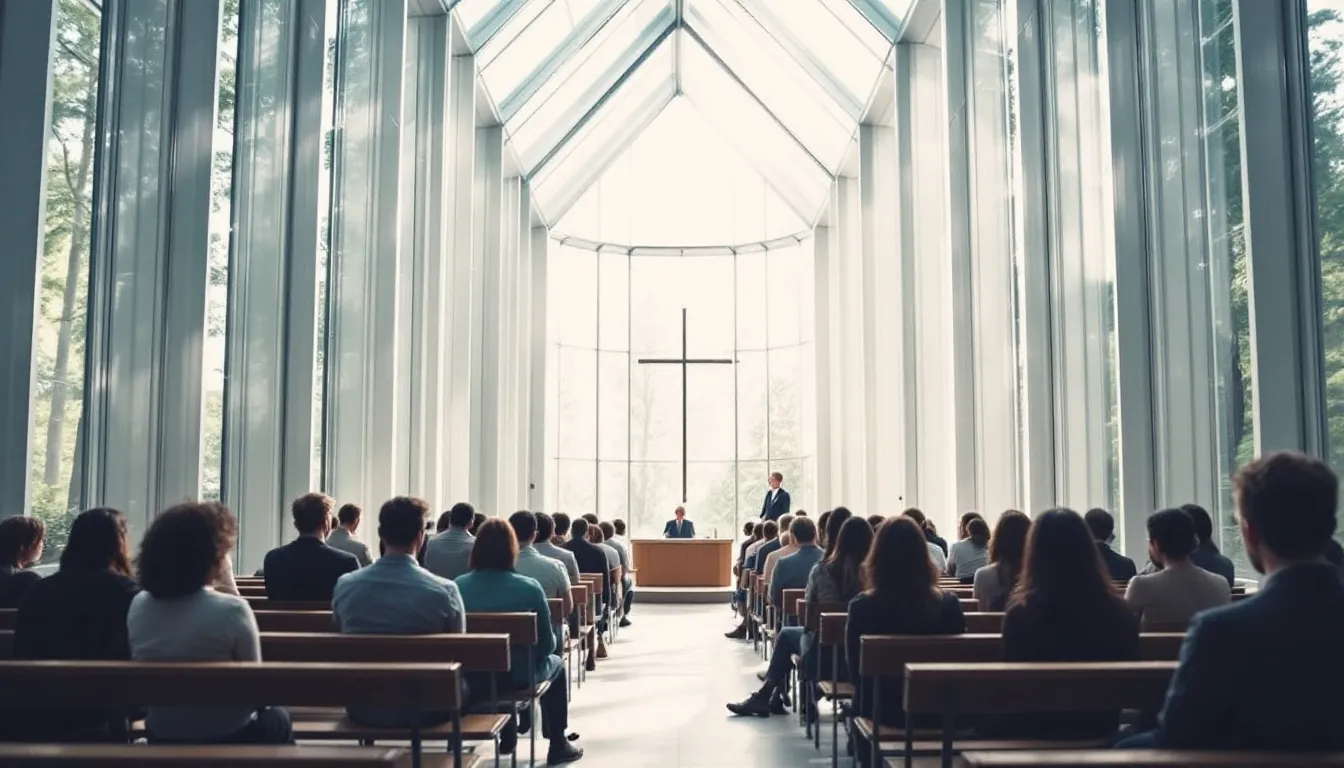
Regular worship services take place throughout the year, with the chapel’s non-denominational approach welcoming visitors from all faith traditions. The natural acoustics created by the glass walls and wooden framework provide excellent sound quality for both spoken word and musical performances, making every service a multisensory experience enhanced by the visual beauty of the surrounding forest.
Wedding ceremonies at Thorncrown Chapel have become legendary, with couples traveling from across the country to exchange vows in this unique setting. The chapel can accommodate up to 420 guests, though smaller, more intimate ceremonies are equally magical. Booking for weddings typically requires advance planning, as the chapel’s reputation has made it one of Arkansas’s most sought-after venues.
Seasonal events take advantage of the changing forest throughout the year. December services benefit from the stark beauty of bare branches against winter skies, while July celebrations bask in the full green canopy of summer. November often provides the most dramatic backdrop, as autumn leaves create a natural stained glass effect through the clear windows.
The chapel hosts special music concerts and lectures, with the natural amphitheater effect created by the forest setting providing an intimate venue for cultural events. These programs often fill quickly, as visitors discover that the acoustic properties of the space create an unparalleled listening experience.
Meditation and Personal Reflection
For visitors seeking personal quiet time, Thorncrown Chapel offers guided hours specifically designated for silent contemplation. The best times for meditation typically occur during weekday mornings when tour groups are less frequent, allowing for extended periods of peaceful reflection.
The forest setting naturally promotes mindfulness, as visitors become aware of the subtle sounds of wind through trees, bird calls, and the gentle play of light and shadow across the interior surfaces. Many guests report that the chapel’s design helps them achieve a meditative state more easily than in traditional indoor environments.
A typical contemplative visit lasts between 30 minutes to an hour, though many visitors find themselves staying longer as they become absorbed in the changing light patterns and forest sounds. Early morning and late afternoon provide the most dramatic lighting effects, when low-angle sunlight creates spectacular patterns across the glass and wooden surfaces.
After experiencing the profound peace of Thorncrown Chapel, returning to the comfort and tranquility of Woodland Retreat allows visitors to continue their reflective journey in a setting that perfectly complements the chapel’s serene atmosphere.
Photography and Visual Arts
Thorncrown Chapel ranks among Arkansas’s most photographed buildings, offering endless opportunities for both amateur and professional photographers to capture the interplay between architecture and nature. The building’s transparent design creates unique visual challenges and rewards that change dramatically with lighting conditions and seasons.
Best Photography Opportunities
Golden hour photography produces the most spectacular results, when warm morning or evening light filters through the forest canopy to illuminate the glass walls from multiple angles. The interplay between direct sunlight and filtered forest light creates complex patterns that change minute by minute, offering countless compositional possibilities.
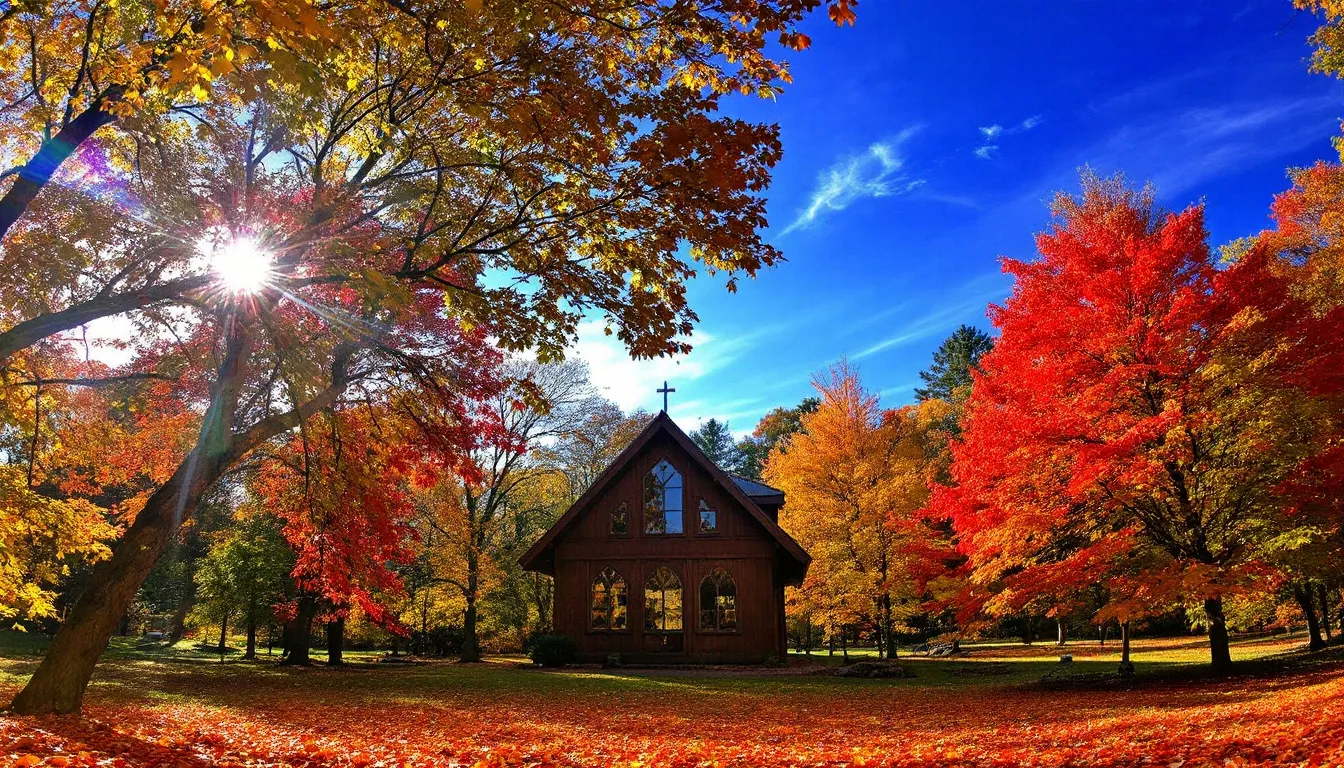
Seasonal photography opportunities range from the fresh greens of spring, when new leaves create a delicate screen around the chapel, to the dramatic contrasts of winter when bare branches create geometric patterns against the sky. Fall foliage season, typically peaking in October, transforms the chapel into a jewel box surrounded by brilliant reds, oranges, and yellows.
Interior photography requires careful attention to exposure, as the bright exterior forest can overwhelm camera sensors while the interior wooden elements need adequate illumination. Many photographers find success using bracketed exposures or HDR techniques to capture the full dynamic range of the space.
Exterior photography benefits from multiple vantage points around the building, as each angle reveals different relationships between the geometric architecture and organic forest forms. The pathway approach to the chapel offers several excellent shooting positions, while the rear of the building provides opportunities to show how the structure seems to emerge from the hillside.
Professional photographers should bring sturdy tripods for longer exposures, especially during golden hour when slower shutter speeds can capture the subtle movement of leaves and changing light patterns. Wide-angle lenses help capture the full scope of the building within its forest setting.
Artistic Inspiration and Sketching
The chapel serves as inspiration for artists working in various media, from watercolor painters who appreciate the complex interplay of light and color to architects studying Jones’ innovative solutions for integrating buildings with natural environments. The constantly changing light conditions provide endless subject matter for plein air artists.
Sketching opportunities abound both inside and outside the chapel, with recommended vantage points including the approach path, the interior looking outward toward the forest, and detail studies of the structural connections and glass patterns. Artists often find that the building’s geometric forms provide excellent exercises in perspective and proportion.
Local art galleries in Eureka Springs frequently feature artwork inspired by Thorncrown Chapel, with paintings, photographs, and sculptures that interpret Jones’ architectural vision through various artistic lenses. These galleries provide additional context for understanding how the chapel has influenced regional artistic expression.
Artists seeking extended creative time can continue their work back at Woodland Retreat, where the peaceful setting and comfortable accommodations provide an ideal environment for developing sketches into finished pieces or planning return visits to capture different seasonal conditions.
Exploring the Surrounding Ozark Region
Thorncrown Chapel’s location in northeast Arkansas places visitors at the heart of one of America’s most beautiful and culturally rich regions. The Ozark Mountains provide a stunning backdrop for exploration, while the historic town of Eureka Springs offers additional attractions that complement the chapel experience.
Historic Eureka Springs
The Victorian architecture of downtown Eureka Springs creates a perfect complement to the modern lines of Thorncrown Chapel, demonstrating how different architectural periods can coexist within the same region. Walking tours of the historic district reveal elaborate 19th-century buildings that house boutique shops, art galleries, and award-winning restaurants.
The town’s location within 10 minutes of the chapel makes it easy to combine architectural exploration with dining and shopping. Local restaurants serve everything from traditional Arkansas cuisine to contemporary interpretations of regional ingredients, providing sustenance for a full day of cultural exploration.
Other historic churches and religious sites in Eureka Springs include the Christ of the Ozarks statue and the Great Passion Play amphitheater, both located within easy driving distance of Thorncrown Chapel. These attractions demonstrate the region’s long history as a center for religious tourism and spiritual retreat.
Transportation between attractions is straightforward, with well-marked roads connecting the chapel to downtown Eureka Springs and back to Holiday Island where Woodland Retreat provides comfortable accommodations. The scenic drive itself becomes part of the experience, revealing beautiful Ozark landscapes at every turn.
Natural Ozark Attractions
Hiking trails throughout the region offer opportunities to experience the same forest ecosystems that inspired E. Fay Jones’ architectural vision. The Blue Spring Heritage Center, located nearby, showcases the natural springs that gave Eureka Springs its name and provides insight into the geological forces that shaped this unique landscape.
Table Rock Lake, easily accessible from Woodland Retreat, offers outdoor recreation opportunities including fishing, boating, and swimming. The lake’s clear waters and scenic shoreline provide a different perspective on Ozark natural beauty, complementing the forest experience of Thorncrown Chapel.
Scenic driving routes through the Ozark Mountains reveal the broader context of the region’s natural beauty, with overlooks and state parks that showcase the rolling hills and deep valleys that define this part of Arkansas and Missouri. These drives help visitors understand why Jones chose this location for his forest sanctuary.
The region’s outdoor recreation opportunities extend throughout the year, with spring wildflower seasons, summer lake activities, fall foliage tours, and winter hiking providing reasons to visit in every season. Each offers a different lens through which to appreciate the chapel’s integration with its natural environment.
Planning Your Visit
Successfully visiting Thorncrown Chapel requires some advance planning to ensure the best possible experience. Understanding the practical details of hours, accessibility, and seasonal considerations helps visitors make the most of their architectural pilgrimage.
Getting There from Holiday Island
The 20-minute drive from Woodland Retreat to Thorncrown Chapel follows scenic county roads that provide beautiful previews of the Ozark landscape. Clear signage marks the route, and the chapel’s location just outside Eureka Springs makes it easy to combine with other area attractions in a single day trip.
Parking is available in a designated area that maintains the forest setting, requiring a short walk through the woods to reach the chapel itself. This approach path is an essential part of the experience, as it gradually reveals the building through the trees and prepares visitors for the architectural revelation ahead.
Combining the chapel visit with other Eureka Springs attractions creates a full day of exploration, from morning contemplation at the chapel to afternoon shopping and dining in the historic district. The proximity to Holiday Island makes Woodland Retreat the ideal base for such comprehensive regional exploration.
Group visits require coordination with chapel staff, as larger numbers need to be managed to preserve the contemplative atmosphere that makes the building special. Tour groups often appreciate the educational context that trained guides can provide about Jones’ architectural philosophy and construction techniques.
What to Bring and Expect
Dress code recommendations emphasize comfort and respect for the sacred nature of the space. While formal attire isn’t required, visitors should dress appropriately for both outdoor walking and quiet contemplation. Comfortable walking shoes are essential for the forest path approach.
Camera equipment suggestions include wide-angle lenses for architectural photography, telephoto lenses for detail work, and sturdy tripods for golden hour shooting. However, visitors should always check current photography policies and respect any restrictions during worship services or special events.
Comfort items for extended visits might include small cushions for meditation, light jackets for morning or evening visits when forest temperatures can be cool, and water bottles for longer stays. The gift shop and visitor center provide additional amenities and educational materials about the chapel’s history and significance.
Weather considerations vary by season, with summer visits requiring sun protection and winter visits needing warm clothing for the unheated space. Spring and fall often provide the most comfortable visiting conditions, though each season offers its own unique beauty and photographic opportunities.
The chapel’s accessibility features accommodate visitors with mobility challenges, though the forest setting and natural materials create some limitations. Staff can provide specific information about current accessibility options and any temporary restrictions.
Conclusion & Call to Action
Thorncrown Chapel represents far more than an architectural achievement—it stands as proof that human creativity can enhance rather than diminish the natural world. E. Fay Jones’ glass-walled forest chapel offers every visitor a transformative experience that combines spiritual reflection with appreciation for innovative design and environmental sensitivity.
The chapel’s location in the heart of the Arkansas Ozarks provides the perfect centerpiece for a comprehensive exploration of one of America’s most beautiful regions. From the contemplative experience of the chapel itself to the historic charm of Eureka Springs and the natural recreation opportunities throughout the area, visitors discover a destination that satisfies multiple interests and creates lasting memories.
The connection between Thorncrown Chapel’s peaceful setting and the comfort of Woodland Retreat creates an ideal combination for travelers seeking both cultural enrichment and natural beauty. The short drive between Holiday Island and Eureka Springs allows guests to experience world-class architecture while returning each evening to spacious accommodations and stunning lake views.
Whether you’re drawn by the architectural significance of Jones’ masterpiece, the spiritual atmosphere of this unique sacred space, or the broader attractions of the Ozark region, Thorncrown Chapel deserves a place on every traveler’s itinerary. The chapel’s ability to inspire visitors from diverse backgrounds and interests demonstrates the universal appeal of thoughtful design and natural beauty.
Plan your architectural pilgrimage today by booking your stay at Woodland Retreat, where comfortable accommodations and easy access to both Thorncrown Chapel and the entire Eureka Springs region create the perfect base for exploring this remarkable corner of Arkansas. Experience firsthand how E. Fay Jones’ vision continues to inspire and transform visitors more than four decades after its creation, and discover why this glass-walled forest sanctuary has earned its place among America’s greatest architectural treasures.


