Historic Downtown Eureka Springs Victorian Architecture

In Arkansas’s Ozark Mountains, historic downtown Eureka Springs has the largest collection of Victorian architecture in the central U.S., with nearly 1,000 buildings in two square miles. Founded in 1879, it showcases 19th-century craftsmanship.
The Eureka Springs Historic District, listed on the National Register since 1970, includes 967 buildings, 45% built between 1880 and 1920. The city grew as visitors came for its healing springs, sparking a building boom. Whether you love architecture or history, Eureka Springs offers a unique chance to experience America’s Victorian heritage.
Eureka Springs Victorian Architecture Styles and Heritage
Queen Anne Style Buildings
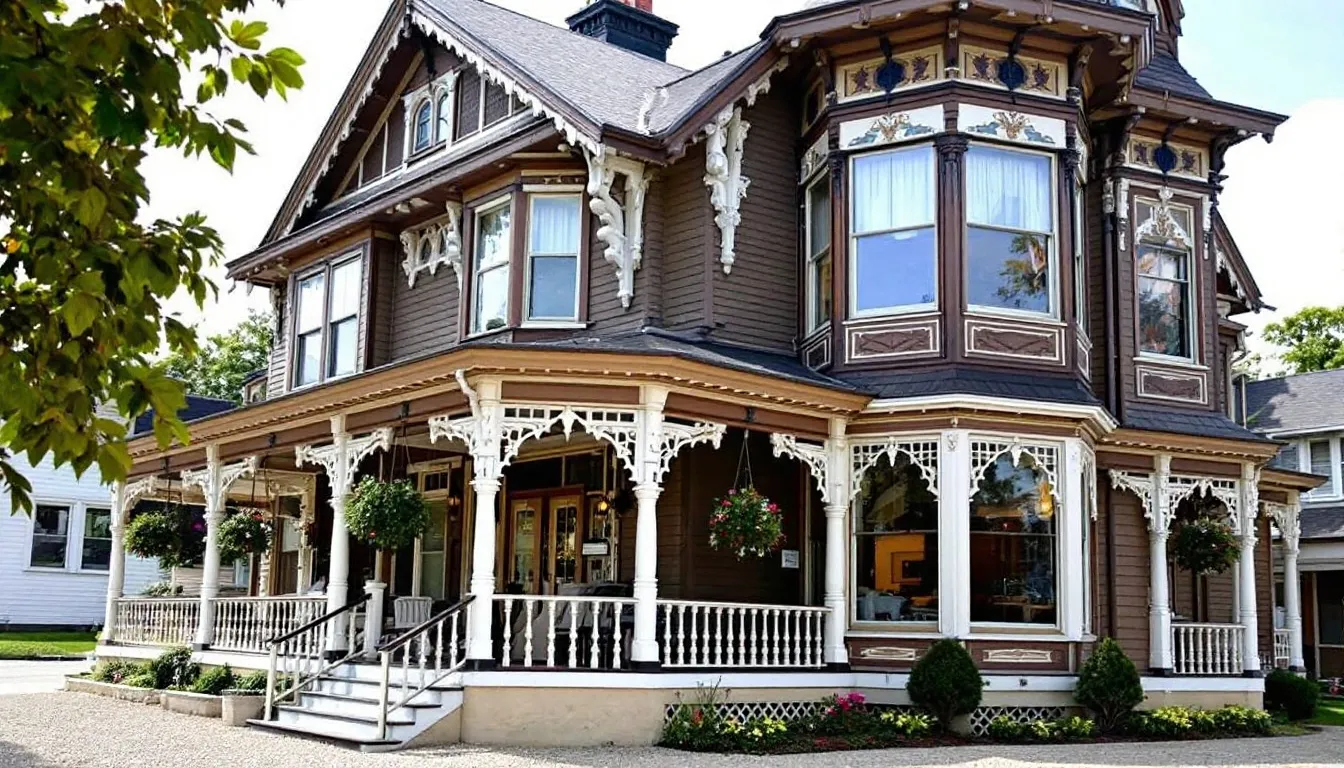
The Queen Anne style dominates much of Eureka Springs Victorian architecture, characterized by asymmetrical facades, distinctive bay windows, and elaborate decorative trim. These buildings typically feature wraparound porches adorned with intricate gingerbread trim, creating the fairy tale appearance that draws visitors from around the world.
Notable Queen Anne examples throughout downtown showcase the style’s signature elements: complex rooflines with multiple gables, decorative shingles in contrasting colors, and ornate spindlework. Many of these homes display the colorful paint schemes that became popular during the Victorian era, with vibrant hues highlighting architectural details like brackets, cornices, and window surrounds.
The residential areas along Spring Street and Prospect Avenue contain exceptional Queen Anne Victorian homes dating to the 1880s and 1890s. These structures demonstrate how builders adapted the style to Eureka Springs’ challenging hillside terrain, often incorporating multi-level foundations and terraced gardens that complement the architectural design.
Gothic Revival Structures
Gothic Revival architecture adds dramatic vertical emphasis to the historic downtown landscape, with pointed arches, steep rooflines, and ornate stonework creating striking silhouettes against the Ozark hills. This style gained popularity during Eureka Springs’ founding era as the community sought to establish itself as a sophisticated resort destination.
The most prominent Gothic Revival structures include several historic churches that anchor different neighborhoods within the downtown district. These buildings feature characteristic pointed arch windows, buttresses, and elaborate stone tracery that demonstrate the skilled craftsmanship available during the Victorian building boom.
Many Gothic Revival buildings in Eureka Springs incorporate local limestone, responding to fire safety concerns that arose after devastating blazes in the late 19th century. This practical adaptation created a unique regional variation that blends Gothic Revival aesthetics with Ozark materials, contributing to the district’s distinctive character.
Stick Style and Eastlake Influences
Stick Style architecture throughout historic downtown Eureka Springs features exposed wooden framework and geometric patterns that create visual interest through structural elements. This style emphasizes the building’s construction method, with decorative boards and braces highlighting the underlying timber frame.
Eastlake decorative elements appear throughout downtown buildings, adding intricate machine-made ornamentation that complements hand-carved details. These mass-produced decorative pieces made elaborate Victorian styling more affordable, allowing even modest buildings to participate in the era’s architectural exuberance.
The combination of Stick Style and Eastlake influences creates a cohesive streetscape where buildings complement rather than compete with each other. Walking through downtown, visitors can observe how these architectural styles work together to create the overall Victorian village atmosphere that defines the district.
Planning your architectural exploration becomes much easier when you have a comfortable base nearby. Consider staying at Woodland Retreat to explore these architectural treasures at your own pace, allowing time to fully appreciate the intricate details and craftsmanship that make each building unique.
Historic Buildings and Landmarks
The Crescent Hotel
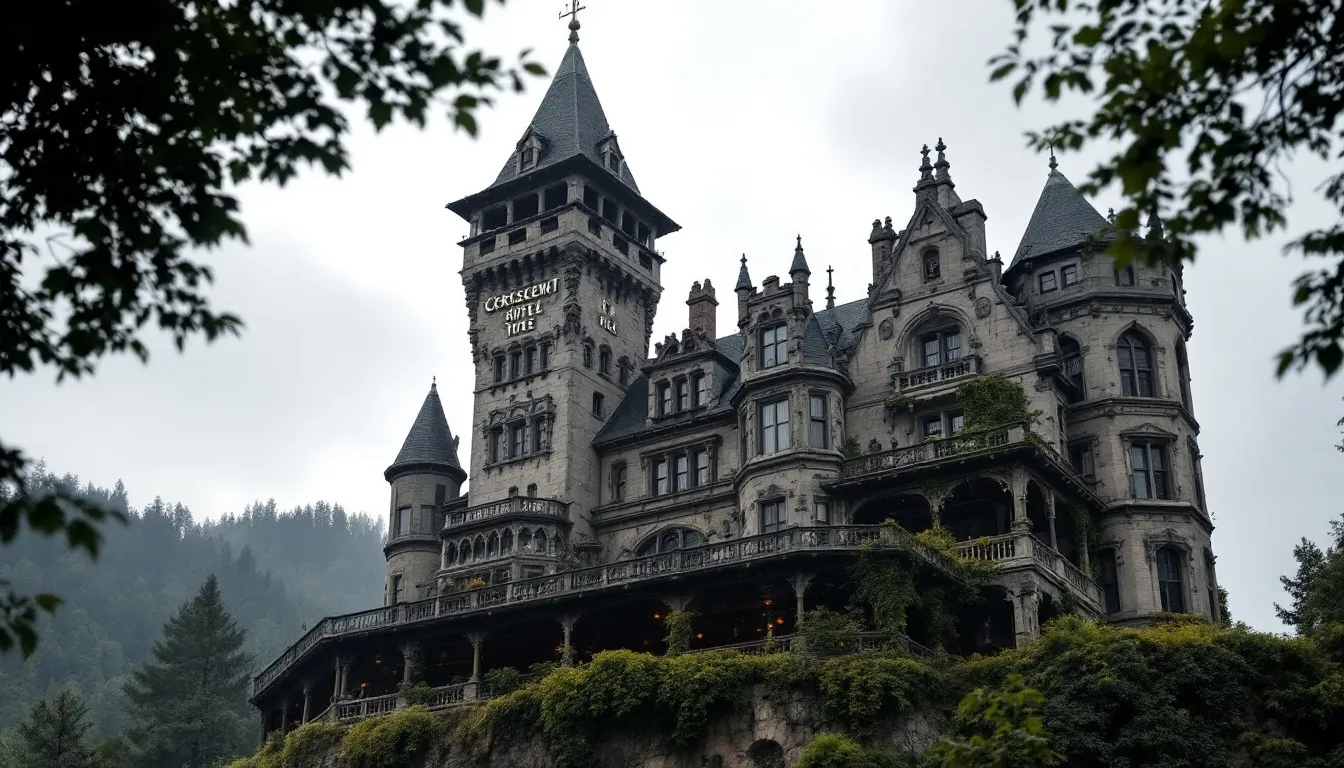
Built in 1886, the Crescent Hotel stands as the crown jewel of historic architecture of Eureka Springs. This limestone castle exemplifies Victorian resort architecture at its most ambitious, featuring massive turrets, expansive verandas, and sophisticated stonework that took advantage of the area’s abundant limestone quarries.
The hotel’s design responds directly to the fire concerns that plagued many Victorian resort communities. By constructing the building entirely of native limestone with minimal wood elements, architects created a structure that could withstand both time and potential disasters while maintaining the grandeur expected of a premier Victorian resort.
Architectural details throughout the Crescent Hotel showcase the finest Victorian craftsmanship, from carved stone cornices to elaborate ironwork balconies. The building’s dramatic hillside location, perched high above the downtown district, demonstrates how Victorian architects turned challenging terrain into architectural advantage, creating commanding views that enhance the overall design.
The hotel’s role as centerpiece of the downtown Victorian collection extends beyond its individual architectural merit. Its presence established Eureka Springs as a serious resort destination, encouraging the construction boom that created the remarkable collection of Victorian buildings visitors enjoy today.
Basin Spring Park Area
The Victorian era commercial buildings surrounding Basin Spring Park represent the economic heart of historic downtown Eureka Springs during its Victorian heyday. These structures demonstrate how 19th-century architects adapted commercial building designs to serve the needs of a booming resort community while maintaining architectural sophistication.
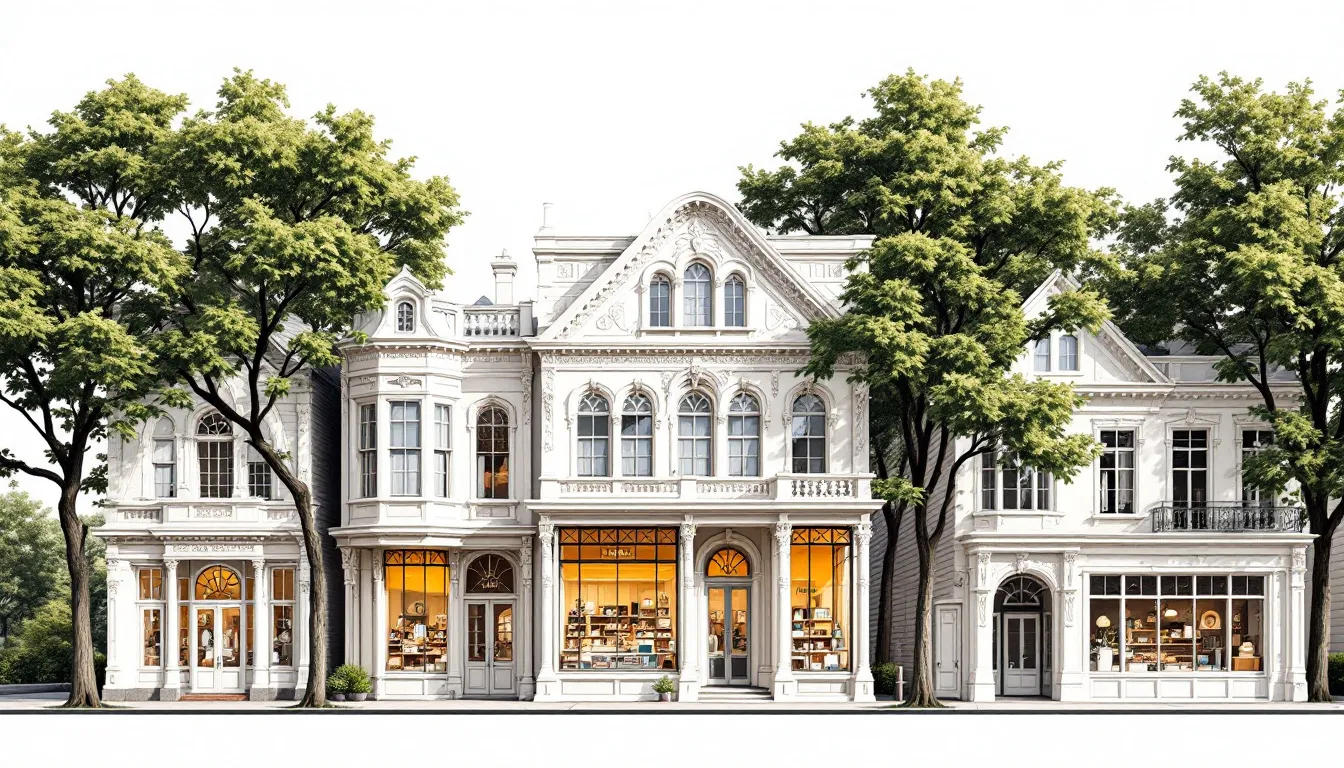
The late 1800s storefronts around the park showcase typical Victorian commercial architectural features: large display windows, decorative cornices, and ornate facades designed to attract visitors exploring the spring that founded the community. Many buildings feature the characteristic two-story configuration with commercial space below and residential or office space above.
Basin Spring Park restoration preserves Eureka Springs’ Victorian charm with modern methods. The park serves as the geographic and symbolic heart of the Victorian downtown district, where the original spring that attracted the first visitors continues to flow. The decorative arched entryway, added during the city’s 125th anniversary celebration, pays homage to the Victorian era while serving modern visitors exploring this historic area.
Spring Street Victorian Homes
Spring Street showcases the finest collection of residential Victorian architecture in downtown Eureka Springs, with well-preserved homes from the 1880s-1890s building boom demonstrating the diversity possible within Victorian design principles. These structures represent the community that grew up around the resort industry, housing both permanent residents and seasonal workers.
The architectural diversity along Spring Street includes examples of Queen Anne, Second Empire, and Italianate styles, often appearing side by side to create a rich streetscape that rewards careful observation. Each home demonstrates how Victorian builders adapted national architectural trends to local conditions and individual preferences.
After spending your day exploring these historic homes and appreciating their architectural details, you’ll appreciate returning to the comfort of Woodland Retreat, where you can relax and plan your next day of Victorian architecture discovery.
Architecture Walking Tours and Exploration
Self-Guided Victorian Architecture Tours
Exploring historic downtown Eureka Springs Victorian architectural heritage on your own allows for a personalized experience focused on your specific interests and preferred pace. The compact downtown district makes walking tours highly practical, with most significant Victorian buildings accessible within a few blocks of each other.
The most effective self-guided route begins at Basin Spring Park and proceeds up Spring Street to capture the transition from commercial to residential Victorian architecture. This path showcases the relationship between the community’s economic center and the neighborhoods that grew around it during the Victorian era.
Key architectural details to observe during your exploration include the variety of window styles, from simple double-hung sashes to elaborate bay windows with decorative surrounds. Notice how different buildings handle the transition between stories, the treatment of corner details, and the integration of porches and balconies into the overall design.
Photography enthusiasts should plan their visits during golden hour periods when warm light enhances the colors and textures of Victorian facades. The interplay of light and shadow reveals architectural details that might be less apparent during midday visits, particularly the intricate carved elements and decorative trim work.
Guided Historical Architecture Tours
Professional guided tours of the Victorian architectural heritage of downtown Eureka Springs provide expert insights into construction techniques, architectural history, and the stories behind individual buildings. These tours often reveal details that casual observers might miss, enhancing appreciation for the craftsmanship and innovation evident throughout the district.
Knowledgeable guides can explain how Victorian architects adapted national style trends to local conditions, creating the unique regional variations that distinguish Eureka Springs architecture from Victorian districts in other parts of the country. They also provide context about the social and economic forces that shaped building choices during the community’s founding era.
Expert-led tours typically include access to buildings or areas not generally open to the public, providing opportunities to see interior details, structural elements, or architectural features that enhance understanding of Victorian building practices. These behind-the-scenes glimpses often prove to be highlights of the tour experience.
Seasonal availability of guided tours varies, with peak season offering the most options and off-season providing more intimate group experiences. Advanced booking is recommended, particularly during popular travel periods when demand for architectural tours is highest.
Victorian Architecture Map and Resources
Downloadable maps highlighting National Register of Historic Places buildings provide essential tools for exploring Victorian architecture in historic downtown Eureka Springs systematically. These resources identify the most architecturally significant structures while providing historical context and construction dates.
The Eureka Springs Historical Museum offers comprehensive architectural documentation, including historical photographs that show buildings in their original context and condition. These resources help visitors understand how the district evolved over time and appreciate the extensive restoration work that maintains its Victorian character.
Best viewing times for architectural photography occur during morning and late afternoon hours when angled sunlight enhances building details and creates interesting shadow patterns. Spring and fall seasons provide optimal conditions, with comfortable temperatures for extended walking and excellent light quality for documentation.
Planning your architectural exploration becomes more enjoyable when you have a comfortable place to return to each evening. Base your Victorian architecture adventure at Woodland Retreat, where you can review your discoveries, plan the next day’s explorations, and enjoy the connection to the historic area you’re studying.
 Preservation and Restoration Efforts
National Register of Historic Places Designation
The designation of downtown Eureka Springs as a National Register of Historic Places district in 1970 recognized the area’s exceptional concentration of Victorian architecture and established the framework for ongoing preservation efforts. This recognition acknowledges that the district contains the most extensive collection of Victorian architecture in the central United States, making it a resource of national significance.
Preservation standards established through the National Register designation ensure that modifications to historic buildings maintain architectural integrity while allowing for necessary modern adaptations. These guidelines balance the need to preserve Victorian character with practical requirements for contemporary use, creating a sustainable approach to historic district management.
The comprehensive nature of the designation encompasses nearly every building in the downtown core, creating a unified preservation approach that maintains the district’s cohesive Victorian character. This broad protection prevents inappropriate alterations that could compromise the architectural ensemble that makes Eureka Springs so exceptional.
The district’s recognition at the national level attracts preservation specialists, architectural historians, and tourism investors who actively support ongoing conservation initiatives. This combination of expert involvement and financial investment guarantees that the historic Victorian architecture of downtown Eureka Springs will be preserved for future generations to admire in its full glory.
Ongoing Restoration Projects
Current restoration efforts throughout the historic district demonstrate the community’s commitment to preserving its Victorian architectural heritage while adapting buildings for modern use. These projects showcase how contemporary conservation techniques can restore original features that seemed permanently lost while ensuring structural stability for future decades.
Community involvement in preservation efforts extends beyond professional restoration to include volunteer programs, educational initiatives, and fundraising campaigns that engage residents and visitors in the ongoing work of maintaining the district’s character. This grassroots support provides both financial resources and community commitment essential for long-term preservation success.
Success stories throughout the district include buildings that have been brought back from serious deterioration to become showcases of Victorian craftsmanship and design. These restoration achievements demonstrate that even severely compromised historic structures can be saved when appropriate techniques and sufficient resources are applied.
The economic benefits of restoration projects extend beyond tourism to include increased property values, business development opportunities, and job creation in specialized preservation trades. This economic dimension helps sustain preservation efforts by demonstrating their practical value to the community.
Architecture Conservation Challenges
Maintaining 140-year old Victorian structures presents unique technical challenges that require specialized knowledge and materials often unavailable through conventional building supply channels. The complexity of Victorian construction techniques, combined with the deterioration inevitable in historic materials, demands careful assessment and innovative solutions.
Balancing modern building code requirements with historical authenticity requires creative problem-solving that maintains safety standards while preserving architectural character. Issues like accessibility compliance, energy efficiency, and fire safety must be addressed without compromising the architectural features that make the buildings historically significant.
Local crafts people specializing in Victorian-era restoration techniques represent an invaluable resource for the district’s preservation efforts. These skilled artisans understand traditional building methods, can work with historic materials, and possess the specialized knowledge needed to maintain authenticity while ensuring structural integrity.
The ongoing challenge of funding preservation work requires diverse revenue sources, from tourism income to government grants to private investment. Successful long-term preservation depends on developing sustainable funding mechanisms that can support the continuous maintenance required for historic buildings.
Experience the remarkable results of these preservation efforts while staying at nearby Woodland Retreat, where you can appreciate how dedicated conservation work has created one of America’s most complete Victorian environments for contemporary visitors to enjoy and study.
Shopping and Dining in Victorian Buildings
Victorian-Era Shops and Boutiques
Shopping in authentic 1880s commercial buildings adds a unique dimension to the retail experience in historic downtown Eureka Springs. These Victorian-era structures provide atmospheric settings that enhance browsing and purchasing, creating memorable experiences that connect visitors with the district’s commercial heritage.
Antique stores housed in period-appropriate Victorian buildings offer the perfect synthesis of setting and merchandise, where the architectural environment complements the historical artifacts for sale. The high ceilings, large windows, and ornate interior details of these commercial spaces create ideal gallery-like settings for displaying vintage items and collectibles.
The architectural character of Victorian commercial buildings influences the types of businesses that find them appealing, attracting retailers who appreciate the unique ambiance and understand how the historic setting can enhance their customer experience. This natural selection process helps maintain the district’s authentic character while supporting economically viable commerce.
Many Victorian commercial buildings feature original architectural details like tin ceilings, wooden floors, and decorative millwork that remain functional while providing atmospheric appeal. These preserved elements demonstrate how historic buildings can serve contemporary commerce while maintaining their architectural integrity.
Restaurants in Historic Victorian Buildings
Dining in restored Victorian buildings offers guests a unique blend of 19th-century elegance and modern cuisine. The historic architectural details, such as ornate ceilings and period fireplaces, create an inviting atmosphere that enhances the dining experience.
Many restaurants adapt Victorian homes while preserving original layouts, providing intimate and charming spaces that reflect the era’s design. Operators often incorporate period-appropriate decor and themes to complement the building’s character, creating memorable visits.
The variety of Victorian styles in downtown dining venues from grand mansions to cozy cottagesensures diverse and atmospheric experiences for visitors exploring the local food scene.
Victorian Architecture and Modern Commerce
Contemporary businesses in Victorian buildings show how historic architecture can support modern commerce while preserving heritage. Sensitive adaptations balance original design with modern needs.
Examples include offices, galleries, and service businesses that benefit from the unique character of these structures, helping them stand out and support preservation efforts.
Victorian architecture is a major draw for Eureka Springs tourism, fueling local businesses and funding ongoing restoration. Business owners often become preservation advocates, recognizing the value of their buildings’ historic charm.
This successful blend of preservation and commerce offers a model for other communities aiming to leverage architectural heritage for economic growth.
Explore these architectural gems and their businesses by day, then relax at Woodland Retreat, your perfect base for discovering this remarkable Victorian village.
Conclusion
Victorian architecture of Eureka Springs represents an unparalleled opportunity to experience America’s Victorian heritage in its most complete and authentic form. With 967 historic buildings showcasing architectural styles from Queen Anne to Gothic Revival, this arkansas community preserves the largest collection of Victorian architecture in the central United States, creating an immersive experience that transports visitors back to the elegance and innovation of the 19th century.
The remarkable preservation of this architectural treasure results from a combination of historical circumstances, community commitment, and ongoing restoration efforts maintain the district’s Victorian character while adapting to contemporary needs. Whether you’re drawn to the ornate details of Queen Anne homes, the dramatic stonework of Gothic Revival churches, or the commercial grandeur of Victorian storefronts, Eureka Springs offers architectural discoveries that reward both casual observation and serious study.
The integration of Victorian buildings into modern commerce, dining, and tourism demonstrates how historic preservation can create economic vitality while maintaining architectural authenticity. This successful balance provides a model for heritage tourism that benefits both visitors seeking authentic experiences and the local population that calls this historic community home.
Experience this living museum of Victorian architecture for yourself by planning your stay at Woodland Retreat, where you can immerse yourself in the historic atmosphere while enjoying modern comfort and convenience. From this perfect base, you’ll have the time and proximity needed to fully appreciate one of America’s most remarkable collections of Victorian buildings, creating memories that will last a lifetime and inspiring a deeper love for our architectural heritage.


